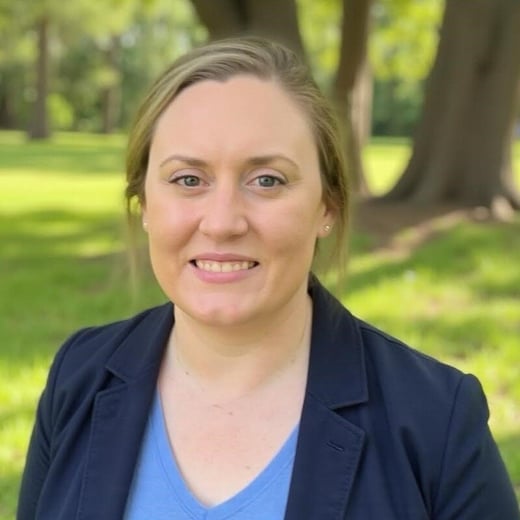
Join us as we welcome Drs. Matthew Kasper and Lindsay Morton, Tuesday, October 29th, at noon PT.
View in browser
NSD_1688_EVENT_AdvancingThreatBio_HubSpot_600x200_Final

Please join us in welcoming Drs. Matthew Kasper and Lindsay Morton from the Department of Defense (DoD) Global Emerging Infections Surveillance (GEIS) program for their talk titled "Challenges and Opportunities in Pathogen Agnostic Sequencing for Public Health Surveillance: Lessons Learned From the Global Emerging Infections Surveillance Program." This webinar will take place Tuesday, October 29th, at noon PT.

Matthew Kasper
LMorton


In this talk, we will highlight opportunities and challenges for the implementation of pathogen agnostic sequencing in the context of the wider global community, and lessons learned from the GEIS program.


Pathogen agnostic sequencing is crucial for biodefense and public health, aiding in infectious disease detection and monitoring. The GEIS program leveraged early DoD biodefense and medical research investments in pathogen sequencing to enhance infectious disease surveillance activities performed by GEIS partner laboratories around the world.  


Next-generation sequencing (NGS) technologies, which offer higher-throughput genome sequencing, have become more affordable and widely adopted in biomedical and public health labs. The reduced cost per genome or sample has made NGS a key part of routine public health surveillance.  


While pathogen agnostic sequencing technologies and testing approaches have matured and become more accessible, fewer considerations have been made for the operationalization of agnostic sequencing within the context of an infectious disease surveillance system.


 

The Advancing Threat Agnostic Biodefense Webinar Series brings together like-minded science and policy members of the biodefense community to discuss relevant research activities as well as barriers and enablers of a threat agnostic approach. The webinar series is hosted by the Nuclear, Chemical, and Biological Technologies Division.

Register Now

Pacific Northwest National Laboratory, 902 Battelle Blvd, Richland, WA 99354

Unsubscribe Manage preferences

PNNL_Stacked_Logo_400x400

Pacific Northwest National Laboratory draws on its distinguishing in strengths chemistry, Earth sciences, biology and data science to advance scientific knowledge and address challenges in sustainable energy and national security. Founded in 1965, PNNL is operated by Battelle for the U.S. Department of Energy’s Office of Science, which is the single largest supporter of basic research in the physical sciences in the United States. DOE’s Office of Science is working to address some of the most pressing challenges of our time. For more information, visit https://energy.gov/science. For more information about PNNL, visit PNNL's News Center. Follow us on Twitter, Facebook, LinkedIn and Instagram.

Connect With Us

Facebook
X
Instagram
YouTube
LinkedIn